
Claims, Contracts & Certificates: Insurance Tips for MA Snow Plow Businesses
Winter weather creates plenty of opportunities for snow plowing businesses across Massachusetts, but it also brings operational challenges and potential liability concerns. From clearing commercial parking lots to maintaining private driveways, snow removal contractors must manage customer expectations, meet contract requirements, and prepare for accidents that can happen during a storm.
Having the right insurance strategy is an important part of running a dependable snow plowing business. Snow Plowing Insurance may help address certain risks associated with vehicle accidents, property damage, and liability claims, depending on the policies selected. Norwood Insurance Agency can help Massachusetts contractors evaluate their insurance needs, review documentation requirements, and identify potential gaps before winter arrives.
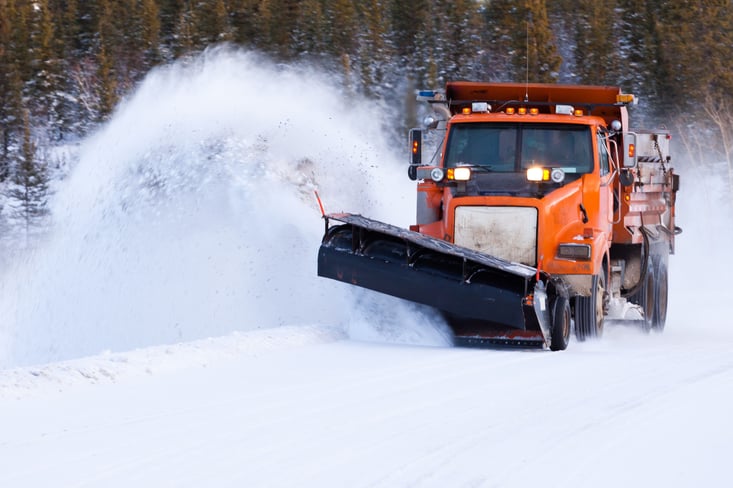
Why Is Snow Plowing Insurance Important for Massachusetts Businesses?
Snow and ice can create hazardous conditions even when a contractor follows established procedures. A plow truck could accidentally damage a parked vehicle, a customer might slip on an icy walkway, or equipment could be damaged during a demanding overnight shift. These situations may lead to unexpected expenses, disputes, or claims against a business.
Snow Plowing Insurance can be an important part of preparing for these exposures. Depending on the coverage and policy terms, an insurance program may include commercial auto, general liability, equipment coverage, and other protections suited to the contractor's operations.
Massachusetts businesses should consider their specific responsibilities, including the properties they service, the equipment they operate, and the services they promise customers. A contractor who clears large commercial lots may have different insurance needs from someone who primarily handles residential driveways. Reviewing these differences with an insurance professional can help business owners make informed decisions before the busy season begins.
What Should Snow Plowing Contracts Include?
A clear contract establishes expectations between a snow removal business and its customers. It can also provide useful documentation if a disagreement develops about the work performed, service timing, or responsibility for maintaining a property.
Contracts should explain which areas will be serviced, what triggers a plowing visit, how customers will be billed, and whether ice management or sidewalk clearing is included. Businesses may also want to document how they handle unusually heavy snowfall, equipment breakdowns, and requests for additional service.
Insurance requirements deserve particular attention. Commercial property owners and property managers may specify minimum liability limits, require certain policy provisions, or request evidence of coverage before allowing a contractor to begin work. Contractors should review these requirements before signing an agreement rather than assuming their existing policies will satisfy every condition.
It is also worth having an attorney review contract language involving liability, indemnification, and responsibilities for snow and ice management. Insurance policies and contracts serve different purposes, so businesses should not assume that agreeing to a contractual obligation means an insurance policy will cover it.
How Can Snow Plow Contractors Prepare for Insurance Claims?
Good documentation can make a meaningful difference when a claim or customer dispute arises. During an active storm, crews may move quickly between properties, making it easy for important details to go unrecorded. Establishing a consistent documentation process helps businesses maintain a clearer picture of the work completed.
Contractors can use digital logs, dispatch records, GPS data, and time-stamped photographs to document service visits. Records may include the arrival and departure times, areas cleared, weather conditions, and any hazards or property damage observed. If a customer reports a problem, employees should record the details promptly and follow the company's procedures for reporting incidents.
When an accident occurs, businesses should prioritize safety, gather relevant information when appropriate, and notify their insurance professional or carrier according to the policy's reporting requirements. Prompt reporting can help avoid unnecessary delays and allow the insurer to explain the next steps.
Employees should avoid admitting legal responsibility or promising that a claim will be paid before the facts have been reviewed. Maintaining accurate records and communicating professionally can support the claims process without prejudging the outcome.
Why Do Certificates of Insurance Matter for Snow Plowing Businesses?
A certificate of insurance, commonly called a COI, provides a snapshot of certain insurance information at the time it is issued. Property managers, commercial landlords, condominium associations, and business owners may request one before hiring a snow removal contractor.
Certificates can help demonstrate that a business has insurance policies in place, but they do not replace the policies themselves. A certificate generally does not amend coverage, create new rights, or guarantee that a particular incident will be covered. Contractors should ensure the information on their certificates is accurate and reflects their current insurance arrangements.
Some customers may also request additional insured status or other policy provisions. These requests should be reviewed carefully because they may require specific endorsements and may be subject to underwriting approval. Simply listing a customer's name on a certificate does not necessarily provide the requested protection.
Massachusetts snow plowing businesses can save time by reviewing customer requirements early, confirming policy details with their insurance agency, and requesting updated certificates when needed. Keeping documentation organized can make it easier to respond when a new commercial opportunity arises.
Which Insurance Policies Should Massachusetts Snow Plow Businesses Consider?
The appropriate insurance program depends on the contractor's vehicles, equipment, contracts, employees, and service area. Several types of coverage may be worth discussing when reviewing Snow Plowing Insurance needs.
- Commercial Auto Insurance: May address certain covered accidents involving business vehicles, subject to policy terms and exclusions.
- General Liability Insurance: May provide coverage for certain third-party bodily injury or property damage claims arising from business operations.
- Equipment Coverage: May help address covered losses involving plows, spreaders, and other business equipment, depending on the policy.
- Workers' Compensation Insurance: May be relevant for businesses with employees and is subject to Massachusetts requirements and applicable exemptions.
- Umbrella or Excess Liability Insurance: May provide additional limits above certain underlying policies, subject to its terms and conditions.
Contractors should also discuss whether their existing policies appropriately account for snow removal activities. Not every commercial policy automatically accommodates every operation, and exclusions, endorsements, deductibles, and limits can affect how a claim is handled.
Reviewing these details before winter helps business owners understand what their insurance may address and where additional planning could be necessary.
How Can Contractors Review Their Insurance Before Winter?
An annual insurance review gives snow plowing businesses an opportunity to identify changes before the first major storm. New trucks, additional employees, expanded service areas, and larger commercial contracts can all affect insurance needs.
Start by comparing current policies with the services the business actually performs. Confirm that insurers have accurate information about vehicles, equipment, drivers, and snow removal operations. Review customer contracts for insurance requirements, and allow enough time to address requests for endorsements or updated certificates.
It is also useful to review claim reporting procedures with employees and establish a plan for documenting service visits. Insurance preparation works best when it is combined with sound operational practices, equipment maintenance, and clear communication with customers.
Norwood Insurance Agency can help Massachusetts snow plowing contractors review their insurance arrangements and discuss options that align with their operations and contractual obligations. Policy availability, terms, and coverage vary, so an individualized review is important.
Where Can Snow Plowing Businesses in Massachusetts Get Insurance Guidance?
Running a snow plowing business means preparing for more than falling temperatures and heavy snowfall. Contractors must also manage customer agreements, maintain accurate service records, provide insurance documentation, and respond appropriately when incidents occur.
A thoughtful insurance review can help business owners understand potential exposures and evaluate whether their existing policies remain suitable as their operations grow. It can also make it easier to identify documentation issues before a property manager or commercial customer requests proof of coverage.
Norwood Insurance Agency works with Massachusetts businesses to help them explore insurance options suited to their needs. If you operate a snow plowing business, contact Norwood Insurance Agency to discuss Snow Plowing Insurance, review your current policies, and prepare your business for the demands of the upcoming winter season.