
Massachusetts Septic Businesses: Coverage Gaps You Don’t Want to Ignore
Running a septic service business in Massachusetts involves more than managing routes, equipment, and customer schedules. From pumping and cleaning to inspections and repairs, septic tank professionals face a mix of environmental, operational, and liability-related exposures that can be easy to overlook. Insurance is often part of the conversation, but coverage gaps may still exist even when a policy is already in place.
At Norwood Insurance Agency, we work with Massachusetts septic businesses that want to better understand how their insurance may respond when unexpected situations arise. This article explores common areas where gaps can occur and why reviewing Septic Tank Cleaners Insurance through a local Massachusetts agency can be a smart step.
What Unique Risks Do Massachusetts Septic Businesses Face?
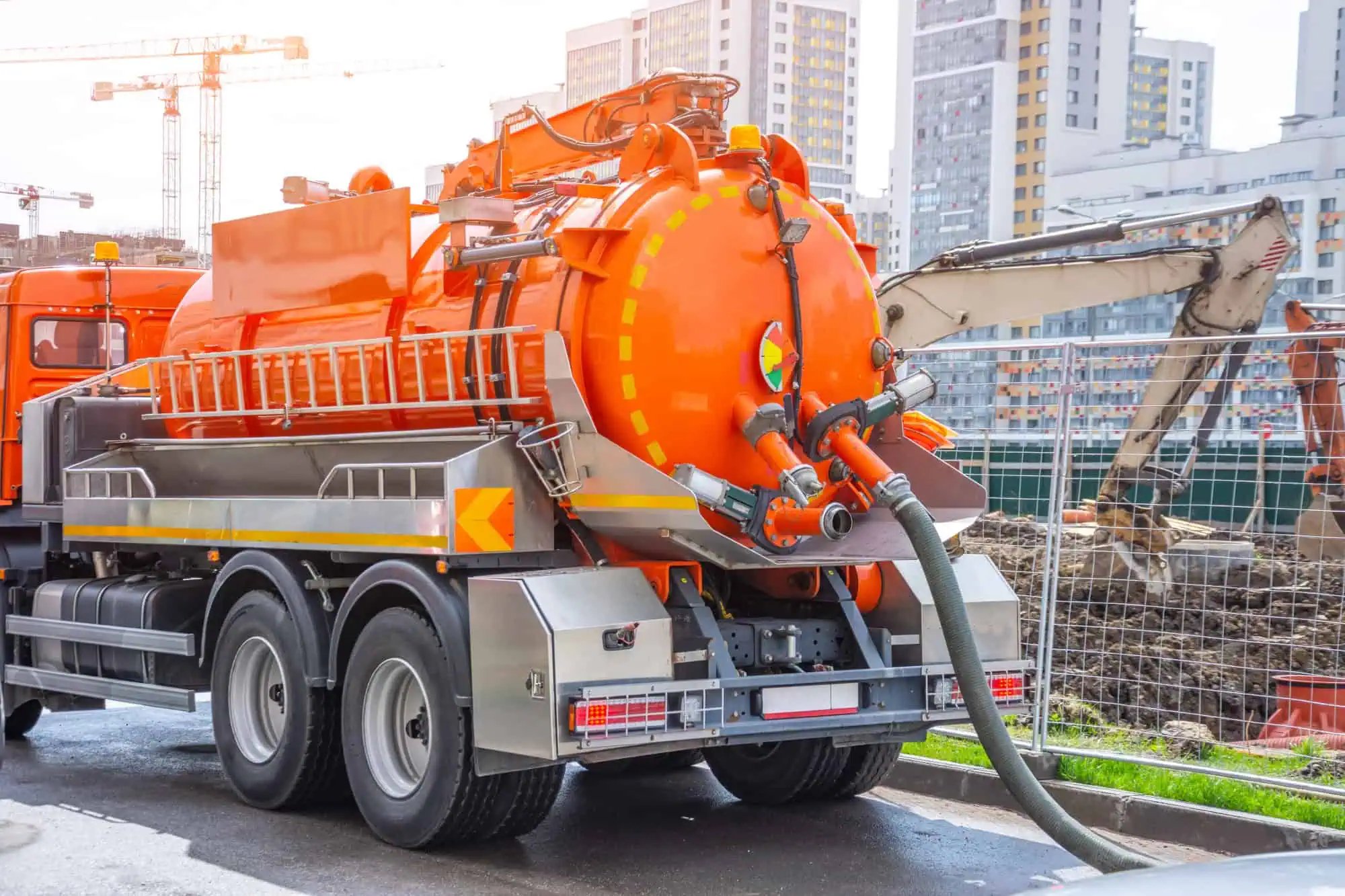
Massachusetts septic businesses often operate in densely populated areas, near waterways, and under state and local environmental regulations. Daily operations may involve transporting waste, working on residential and commercial properties, and handling specialized equipment.
These activities may increase the likelihood of property damage claims, third-party injury allegations, or environmental concerns. Seasonal weather in Massachusetts can also add complexity, especially during winter freezes or heavy rain that affects systems and access points. Insurance policies may address some of these exposures, but others may require additional review to see how coverage applies.
Does A Standard Business Owners Policy Fully Address Septic Operations?
A Business Owners Policy, often called a BOP, may combine general liability and property coverage into one package. While this can be a starting point for many small businesses in Massachusetts, septic operations often go beyond what a basic policy is designed to handle.
For example, tools, pumping equipment, and vacuum trucks may fall outside standard property definitions or limits. Certain operational risks specific to septic tank cleaning may also be excluded or limited. Reviewing how a BOP aligns with real-world septic work can help identify whether supplemental policies or endorsements may be worth discussing.
Are Pollution And Environmental Exposures Clearly Addressed?
One of the most common areas of concern for septic tank cleaners involves pollution-related exposures. Septic work naturally involves waste handling, and even small spills or leaks can lead to cleanup costs or third-party claims.
Some general liability policies may include limited pollution coverage, while others may exclude it altogether. The language in these policies can be complex, and how coverage may apply often depends on the circumstances of a claim. Massachusetts septic businesses may benefit from reviewing whether their Septic Tank Cleaners Insurance contemplates environmental scenarios relevant to their day-to-day operations.
 How Are Vehicles And Transported Waste Typically Covered?
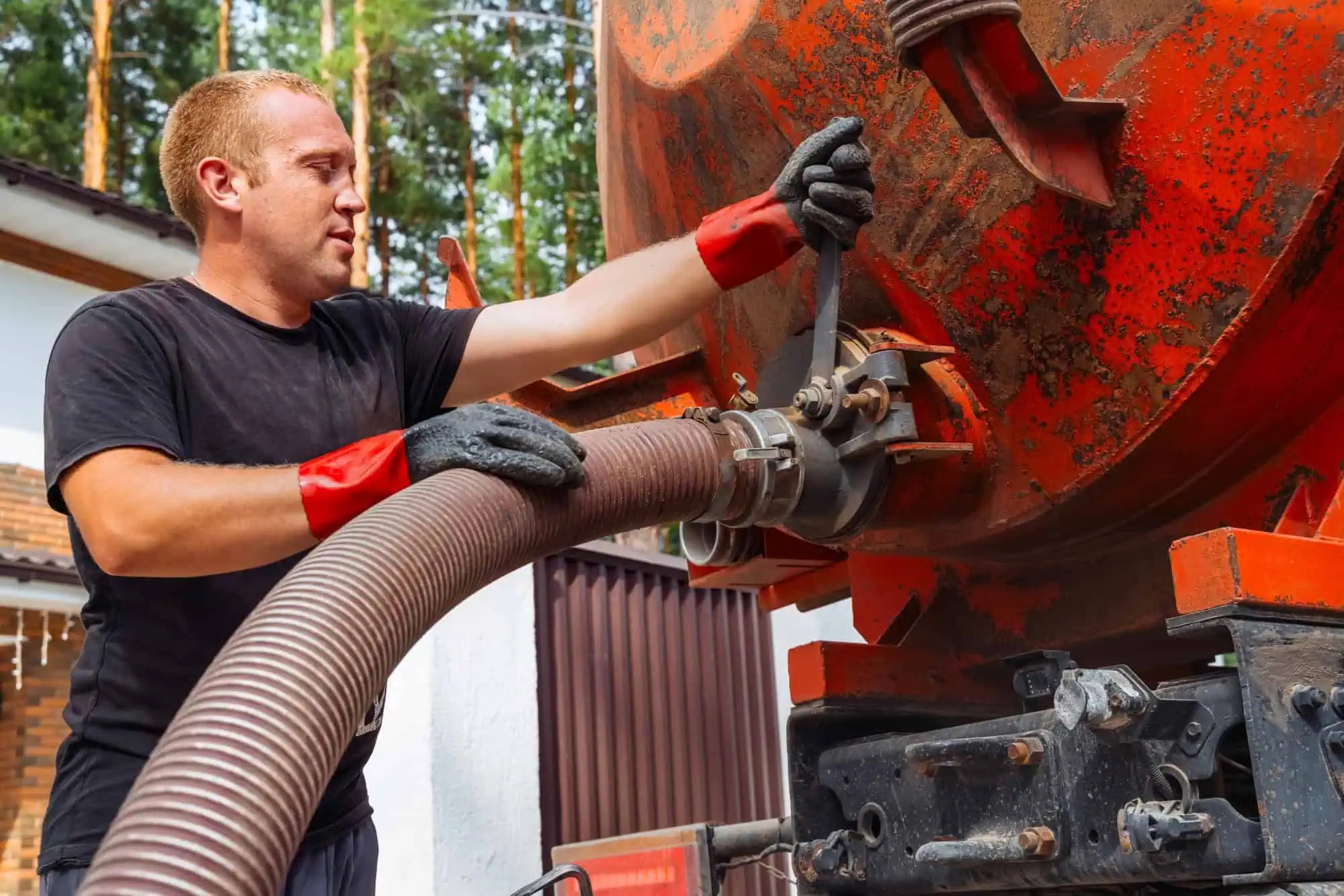
Septic businesses rely heavily on vehicles, including pump trucks and service vans. Commercial auto insurance is usually part of the overall insurance program, but gaps can occur depending on how vehicles are used.
Transporting waste, driving between job sites, and parking on customer property can all create exposures. Additionally, permanently installed equipment on vehicles may not always be treated the same way as the vehicle itself. Reviewing commercial auto policies alongside inland marine or equipment coverage may help clarify how losses could be handled.
What About Employee-Related Risks In Septic Work?
Septic tank cleaning is physically demanding and sometimes hazardous work. Employees may face risks such as slips, falls, exposure to harmful substances, or injuries from equipment.
Workers compensation insurance is required for most Massachusetts employers, but business owners may not always understand how it interacts with other liability policies. There may also be questions about subcontractors, temporary workers, or owner coverage. Understanding these details can help reduce surprises if a workplace injury occurs.
Are Tools And Equipment Adequately Considered?
From hoses and pumps to inspection cameras and repair tools, septic businesses often rely on specialized equipment that travels from job to job. Standard property insurance may focus on items kept at a fixed location, such as an office or yard.
Tools that are frequently transported or used off-site may require separate consideration. Equipment breakdown, theft, or accidental damage could all present challenges depending on policy structure. A closer look at how tools and machinery are insured may reveal opportunities to better align coverage with daily operations.
Could Contract Requirements Create Hidden Insurance Gaps?
Many Massachusetts septic businesses work with municipalities, real estate transactions, or commercial clients. These contracts often include insurance requirements, such as additional insured status or specific coverage limits.
If a policy does not meet these contractual terms, a business could face delays, disputes, or uncovered claims. Reviewing contracts alongside existing insurance policies can help identify mismatches before they become an issue.
How Often Should Septic Businesses Review Their Insurance?
As septic businesses grow or change services, insurance needs often evolve as well. Adding new trucks, expanding service areas, or offering inspections and repairs can all affect risk exposure.
Regular policy reviews may help ensure that coverage keeps pace with operations. For Massachusetts septic businesses, working with a local agency that understands regional regulations and industry-specific concerns can add another layer of insight.
Why Work With A Massachusetts Insurance Agency Familiar With Septic Services?
Insurance is not one-size-fits-all, especially for specialized trades like septic tank cleaning. A Massachusetts-based agency may be more familiar with local permitting, environmental considerations, and regional claim trends.
Norwood Insurance Agency works with septic businesses across Massachusetts to explore Septic Tank Cleaners Insurance options and identify potential gaps. These conversations are designed to be educational and tailored, helping business owners make informed decisions without assumptions about coverage outcomes.
How Can Addressing Coverage Gaps Support Long-Term Stability?
Identifying potential gaps in insurance coverage may help septic business owners feel more confident navigating unexpected situations. While no policy can eliminate risk entirely, understanding how coverage may respond can support better planning and risk management.
By taking time to review policies, ask questions, and align insurance with real operations, Massachusetts septic businesses may be better positioned for long-term stability.
If you own or manage a septic service company and want to review your current insurance approach, Norwood Insurance Agency is available to help. A thoughtful conversation today could help uncover gaps you do not want to ignore tomorrow.